


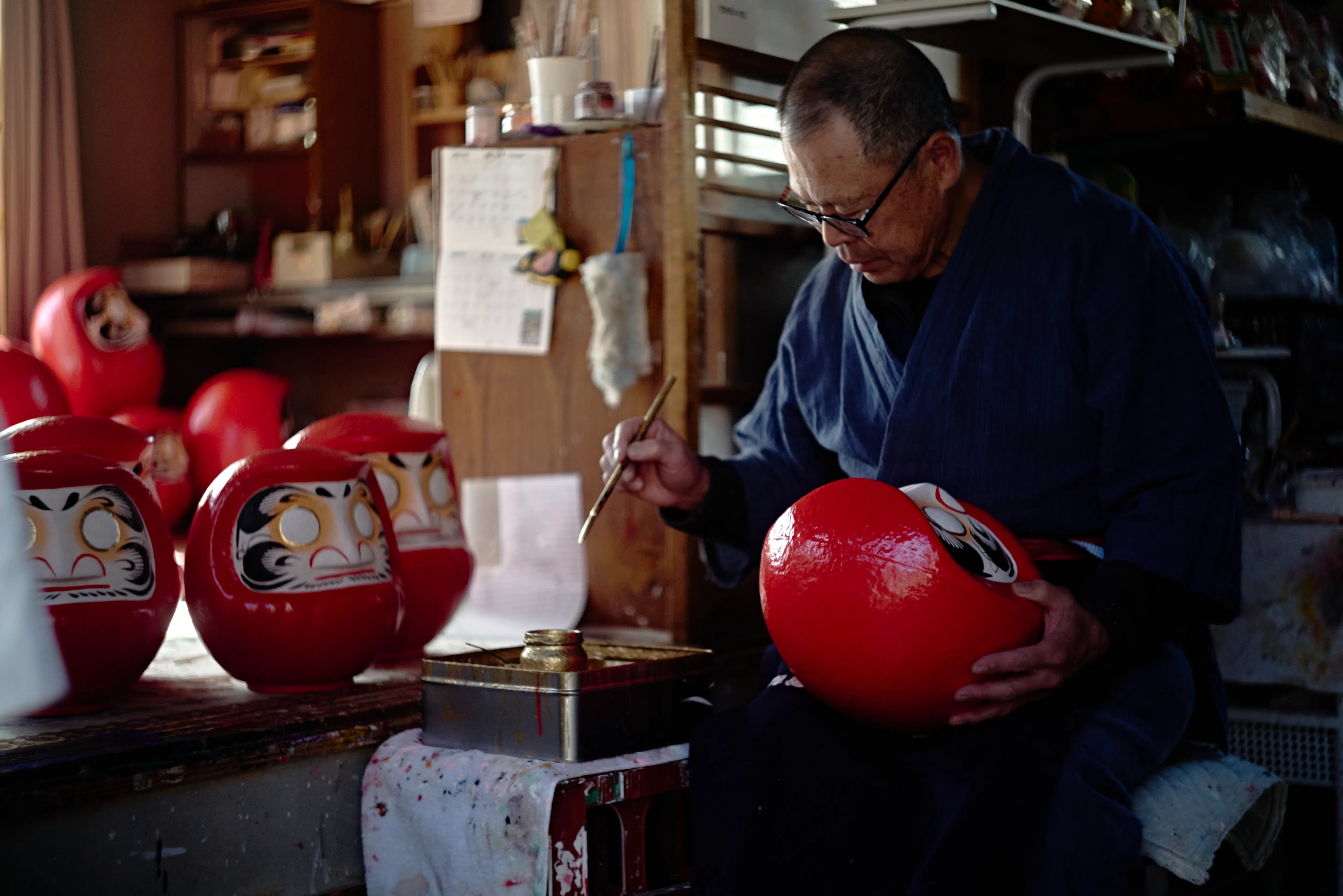

Mindful crafts for adults are simple, absorbing projects that bring your attention back to what your hands are doing. Good choices include coloring, embroidery, crochet, paper folding, slow brushwork, clay pinch pots, beading, visible mending, collage, and painting a small object.
The best project is not necessarily the easiest or most beautiful. It is the one you can begin without fuss, continue at a comfortable pace, and stop without feeling that you have failed.
15 Mindful Crafts for Adults at a Glance
| Craft | What holds your attention | Setup | Mess |
|---|---|---|---|
| Coloring | Repeated shapes and color choices | Very low | Very low |
| Slow drawing | Line, pressure, and observation | Very low | Very low |
| Brush lettering | Rhythm of strokes | Low | Low |
| Paper folding | Precise folds in sequence | Low | Very low |
| Collage | Sorting and arranging images | Low | Low |
| Embroidery | Repeated stitches | Low | Very low |
| Visible mending | Stitching with a practical result | Low | Very low |
| Crochet | Repeating a small pattern | Low | Very low |
| Knitting | Steady movement and counting | Low | Very low |
| Beading | Pattern, color, and touch | Low | Low |
| Air-dry clay | Pressure and shape under your fingers | Medium | Medium |
| Pinch pots | Slow shaping without a wheel | Medium | Medium |
| Painting stones | One small surface at a time | Medium | Medium |
| Painting a Daruma | Color, symbols, and one personal goal | Medium | Medium |
| Simple bookbinding | Folding, aligning, and stitching | Medium | Low |
Choose one row that suits the room, time, and energy you actually have. A craft that requires a clear table and an hour of cleanup will not feel calming if you only have twenty minutes at the end of the day.
What Makes a Craft Mindful?
A craft becomes mindful through the way you do it. The useful qualities are usually:
- a clear next action
- enough repetition to settle into a rhythm
- visible feedback from the material
- a pace you can control
- room for small mistakes
- no urgent need to finish in one sitting
You do not need to empty your mind. Notice the paper, thread, clay, paint, or tool in front of you, then return to the next small movement when your attention wanders.
Mindful crafting is also different from art therapy. A personal craft can feel restful or help you focus, but it is not a substitute for care from a qualified professional.
Relaxing Crafts for Adults Who Want Repetition
Repetitive crafts suit days when you do not want to make a new decision every few seconds.
Embroidery and visible mending offer a simple cycle: bring the needle up, place the stitch, pull the thread through. Start with a small patch or one outline rather than a full pattern.
Crochet and knitting become rhythmic once the basic stitch is familiar. A square, coaster, or short band is a gentler first project than a garment.
Beading gives both visual and tactile repetition. Use a shallow tray so that finding dropped beads does not become the most memorable part of the session.
Coloring removes the pressure of drawing the subject yourself. Choose a page with spaces large enough for the time and patience you have.
Mindfulness Crafts for Focused Attention
Some people relax through repetition; others need a task that occupies the mind more fully.
Paper folding asks you to follow one step at a time. Stop after learning a single form rather than turning the session into a test of speed.
Simple bookbinding combines measuring, folding, piercing, and stitching. It works well when you want a finished object and a sequence that keeps your attention anchored.
Slow drawing can be as plain as drawing the same cup for ten minutes. Look at the curve, move the pencil, and correct without judging the result.
Brush lettering rewards deliberate pressure and pace. Practice one word or a row of the same stroke instead of planning a polished quote.
Calming Crafts for Small Spaces
When storage and cleanup are limited, choose a project that fits into one box or tray.
- a pencil, eraser, and small sketchbook
- one embroidery hoop and a pouch of thread
- paper folding with a few square sheets
- a compact coloring book and colored pencils
- visible mending on clothing you already own
- beads kept in a lidded organizer
Clay, wet paint, and candle making can still be enjoyable, but they need more surface protection, drying space, and cleanup. Save them for a day when the practical work will not make you hurry.
Crafts for Stress Relief on a Low-Energy Day
On a tiring day, lower the number of choices. Use a prepared kit, a limited palette, a repeated stitch, or a project already in progress. The aim is to make starting easy.
Try a ten-minute version:
- Put one material and one tool on the table.
- Set a short, quiet period rather than a production target.
- Repeat one action: color, fold, stitch, roll, or draw.
- Stop at the end of the period or continue if it still feels comfortable.
- Leave the materials ready for the next session if space allows.
If a project makes you compare yourself, rush, or worry about wasting supplies, choose a cheaper material and a smaller surface. The craft should leave room to pay attention, not create another deadline.
Mindful Art Activities Without a Pattern
Not every mindful activity needs instructions. A few open-ended options are:
- draw one object without erasing
- make a page using only two colors
- tear paper and arrange the pieces before gluing
- press simple textures into a small piece of clay
- paint repeated marks until the page feels complete
- collect fallen leaves and sketch their edges
Set one limit—time, color, material, or page size—so that the activity has a place to begin. Leave the result unfinished if that is where your attention naturally stops.
Why Daruma Painting Can Work as a Mindful Craft
Painting a Daruma combines a bounded surface with a personal idea. You can choose colors slowly, work around the face, and decide which symbols or words belong to the goal represented by the figure.
The shape keeps the project manageable, while the eye ritual gives the finished object a life after the painting session. A guide to painting a Daruma at home explains the materials and sequence.
This is a better fit when you want a small object with meaning. If you would rather repeat one motion without making symbolic decisions, coloring or stitching may feel quieter.
How to Choose Your First Project
Ask five practical questions:
- How much uninterrupted time do I have?
- Can I leave the project out, or must everything be packed away?
- Do I want repetition or close concentration?
- How much mess am I willing to clean up?
- Do I want a useful object, a decorative object, or simply the process?
Pick a project that matches your answers, then make the first session deliberately small. If choosing a wider creative practice is the difficult part, read how to start a creative hobby as an adult.
Common Questions About Mindful Crafts
Do I need to be artistic?
No. Repetition, attention, and a comfortable pace matter more than drawing skill. Begin with a pattern, kit, or simple form if a blank page feels demanding.
Which craft is easiest to start at home?
Coloring, slow drawing, paper folding, and visible mending need little space and are quick to put away. Choose the one whose materials you already have.
How long should a mindful craft session last?
There is no required length. Ten quiet minutes can be useful, and a longer session is fine if your hands and posture remain comfortable.
Begin With One Material
Choose one craft, one small surface, and one action you can repeat today. You can expand later if the process suits you. For more options that produce a lasting object, compare these creative hobbies for adults at home.

