


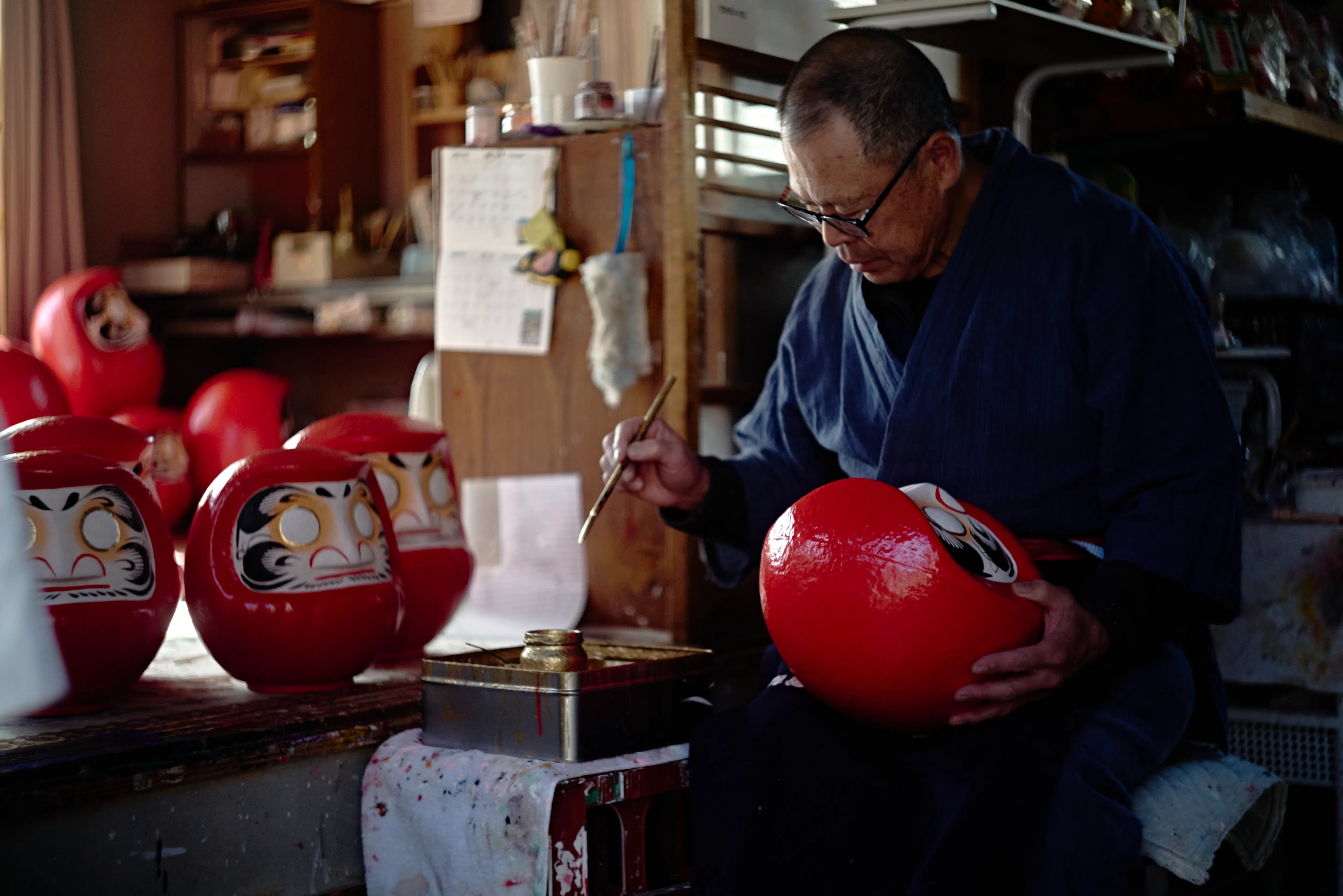

To start a creative hobby as an adult, choose one small project that you can try in a single sitting. Give yourself 30 to 60 minutes, use only the supplies that project needs, and follow a guide, pattern, or kit if a blank page feels intimidating. Your first goal is to finish a session and notice whether you want to return, not to prove that you are artistic.
Adults often stall because “find a hobby” sounds like a permanent decision. Treat the first project as a test instead. Try it once, adjust one source of friction, and try it twice more before deciding whether the activity fits your life.
How to Start a Creative Hobby
Start with a project rather than a new identity. “Become more creative” gives you nothing specific to do. “Make one postcard-sized collage on Saturday afternoon” gives you a time, a scale, and a finish line.
Use this sequence for your first session:
| Step | What to do | Why it helps |
|---|---|---|
| 1 | Choose one result you can see or hold | A clear finish line makes starting easier |
| 2 | Limit the project to 30–60 minutes | A short trial feels manageable |
| 3 | Gather only the required supplies | Less setup means fewer reasons to postpone |
| 4 | Use a guide, kit, class, or template | Structure removes early decisions |
| 5 | Complete one visible stage | Progress matters more than polish |
| 6 | Stop while you still have energy | Finishing exhausted makes returning harder |
| 7 | Write down what felt easy or awkward | The note helps you improve the next trial |
If you complete one session, you have already started. After three sessions, you will have better evidence about the hobby than you could get from reading another long list of ideas.
How to Find a Hobby as an Adult
Choose according to the limits of your real week. A hobby may look appealing online and still be a poor fit if it needs a permanent worktable, costly equipment, noisy tools, or several hours before you can pause.
Ask these questions before choosing:
- How much uninterrupted time do I usually have?
- Where can I work, and where will I store the materials?
- How much cleanup will I tolerate on an ordinary evening?
- Do I want a useful object, a decorative object, or an experience?
- Would I rather follow steps or make open-ended decisions?
- Do I want quiet time alone or a reason to meet other people?
Then pick a format that matches the answer.
| What you want | A useful starting format | First project |
|---|---|---|
| A finished object | Object painting, a small kit, simple pottery | Paint one ornament or blank form |
| Calm repetition | Coloring, stitching, crochet, paper folding | Complete one motif or square |
| Very little cleanup | Journaling, calligraphy sheets, phone photography | Finish one prompt or photo theme |
| Fewer decisions | Guided kit, template, beginner class | Follow one short project from start to finish |
| A social commitment | Workshop, class, or craft night | Book one introductory session |
| Personal meaning | Keepsake craft, seasonal object, Daruma painting | Make one object for a goal or gift |
For more options that fit a small home setup, compare these creative hobbies for adults at home.
Beginner Creative Hobbies Worth Trying
The best beginner creative hobbies make the first action obvious and allow mistakes without ruining expensive materials. These are strong starting points:
| Hobby | Why it works for beginners | A small first project |
|---|---|---|
| Adult coloring | The lines and scale are already set | Finish one small pattern |
| Collage | You can arrange existing images instead of drawing | Make a postcard-sized composition |
| Calligraphy sheets | Repetition and guides reduce decisions | Practice one word or phrase |
| Cross-stitch | A pattern tells you what to do next | Complete one small motif |
| Crochet | The movements repeat and the work is portable | Make a square or coaster |
| Air-dry clay | Simple forms still feel satisfying | Shape a dish or charm |
| Phone photography | You already own the main tool | Photograph one color or texture |
| Paper folding | Materials are cheap and the steps are clear | Fold one simple form |
| Object painting | The object provides a boundary | Paint a small ornament or blank Daruma |
| Prompted journaling | The work is private and requires little setup | Answer one visual or written prompt |
Avoid a first project that takes weeks before anything looks finished. A visible result gives you a reason to begin a second session.
Hobbies for Adults Who Don't Feel Creative
Feeling “not creative” often means that the project is asking for too many choices at once. A blank canvas requires you to choose the subject, composition, color, materials, and finish before you have any practice. A structured project removes several of those decisions.
Look for one of these formats:
- Guided: a kit, pattern, class, template, or step-by-step project
- Object-based: painting, decorating, assembling, or arranging something that already has a form
- Repetitive: stitching, folding, coloring, weaving, or practicing one motion
- Rule-based: calligraphy drills, pattern work, or a simple photography theme
- Meaningful: making something connected with a goal, person, memory, or place
You do not need to invent everything for the activity to be creative. Choosing a color, solving a small mistake, or deciding when a piece feels finished are all creative decisions.
Match the Hobby to Your Main Barrier
If you keep researching but never start, identify the obstacle that appears just before action.
| Your barrier | Try this first | Why |
|---|---|---|
| “I cannot draw” | Collage, coloring, object painting, paper folding | Drawing is not the main skill |
| “I do not know what to make” | A kit, template, class, or prompt deck | The first decision is made for you |
| “I hate mess” | Journaling, calligraphy sheets, phone photography | Cleanup stays minimal |
| “I lose interest quickly” | A one-session project | Completion arrives before motivation drops |
| “I compare myself with experts” | Private practice or guided repetition | You can focus on the action instead of display |
| “I want the result to matter” | Keepsake craft or Daruma painting | The finished object has a purpose |
If you want the activity to feel calming rather than performance-focused, see these mindful crafts for adults. If collecting materials is the obstacle, compare Japanese craft kits for adults.
Use the Three-Session Test
One awkward attempt does not tell you much. The unfamiliar setup, materials, and instructions can make any new activity feel harder than it will later. Give a promising hobby three small sessions:
- Session one: learn the setup. Notice what takes time and where you hesitate.
- Session two: remove one friction point. Prepare the materials earlier, choose an easier pattern, or shorten the task.
- Session three: test the experience. Pay attention to whether you enjoy the actual activity, not only the finished result.
After the third session, ask whether the hobby fits your time, space, budget, and desired feeling. Continue if you want another project. Adjust the format if part of it worked. Switch without guilt if the activity itself never became enjoyable.
Plan Your First Week
You do not need a new routine yet. Plan one week:
- Choose one project using the time, space, and cleanup filters above.
- Get only the materials required for that project.
- Put one 30–60 minute session on your calendar.
- Stop after one visible result or completed stage.
- Note whether the session felt easy, absorbing, frustrating, messy, or worth repeating.
- Make one small adjustment and schedule the next session if you are curious.
Judge the fit of the activity before judging the quality of the object. “I could set this up again” is more useful evidence than “this does not look professional.”
Do Not Start by Buying Everything
Shopping for supplies can feel productive, but a large bundle gives the hobby more weight before it has earned a place in your life. For the first three sessions:
- buy only what the project needs;
- use beginner materials before professional tools;
- avoid large assortments unless the project requires them;
- choose instructions that match the supplied materials;
- wait before buying storage or upgrades.
Keeping the trial small makes it easy to continue and easy to leave. Both matter when you are still finding out what you enjoy.
When a Kit or Class Helps
A kit helps when choosing compatible supplies is stopping you. A useful beginner kit includes a clear project, the main materials, simple instructions, a realistic time estimate, and a finished result you can recognize.
A class helps when you want a scheduled commitment, social contact, or someone who can correct the first steps. Choose a short introductory session before committing to a longer course. The right support removes friction; it does not remove creativity.
Daruma Painting as a Beginner Creative Hobby
Daruma painting works well for beginners because the object already has a strong shape. You can concentrate on color, facial details, a word, or a goal instead of inventing a composition on a blank page. The finished piece also gives you something visible to keep.
For the practical sequence, read how to paint a Daruma at home. If you prefer a first project with the main materials gathered, the Daruma gift experience is one option.
Common Mistakes When Starting a Hobby
These choices make a beginner hobby harder than it needs to be:
- selecting a project that takes weeks to show progress;
- buying tools for an imagined future practice;
- choosing according to how impressive the hobby looks;
- comparing a first attempt with an experienced maker's work;
- ignoring setup, cleanup, noise, or storage;
- treating one difficult session as a verdict on your creativity.
Make the project smaller before deciding that you lack talent. A simpler version often reveals whether you dislike the activity or only the way you first approached it.
Common Questions About Starting a Creative Hobby
How do I start a creative hobby as an adult?
Choose one small project, gather only its materials, follow a guide if needed, and reserve 30 to 60 minutes. Finish one visible step, note what felt difficult, and repeat the project before making a long-term decision.
How do I find a hobby that suits me?
Compare hobbies by time, space, cleanup, cost, social setting, and the kind of result you want. Test one realistic option for three short sessions rather than searching for a perfect lifelong hobby.
What are good creative hobbies for adult beginners?
Coloring, collage, calligraphy sheets, cross-stitch, crochet, paper folding, phone photography, simple clay work, object painting, prompted journaling, and guided kits all provide a clear first action.
What hobby can I try if I am not artistic?
Try a guided, repetitive, object-based, or template-based activity. These formats limit the number of choices while still letting you practice color, arrangement, rhythm, and problem-solving.
Should I use a kit or buy supplies separately?
Use a kit when selecting compatible materials is the main obstacle. Buy separately when you already know the exact first project and can keep the supply list short.
Start Small Enough to Return
A creative hobby becomes part of adult life through repetition, not through an impressive first attempt. Pick a project that fits one ordinary hour, finish a visible stage, and notice how the activity feels. If you are curious enough to return, schedule the second session while the setup is still familiar.

