


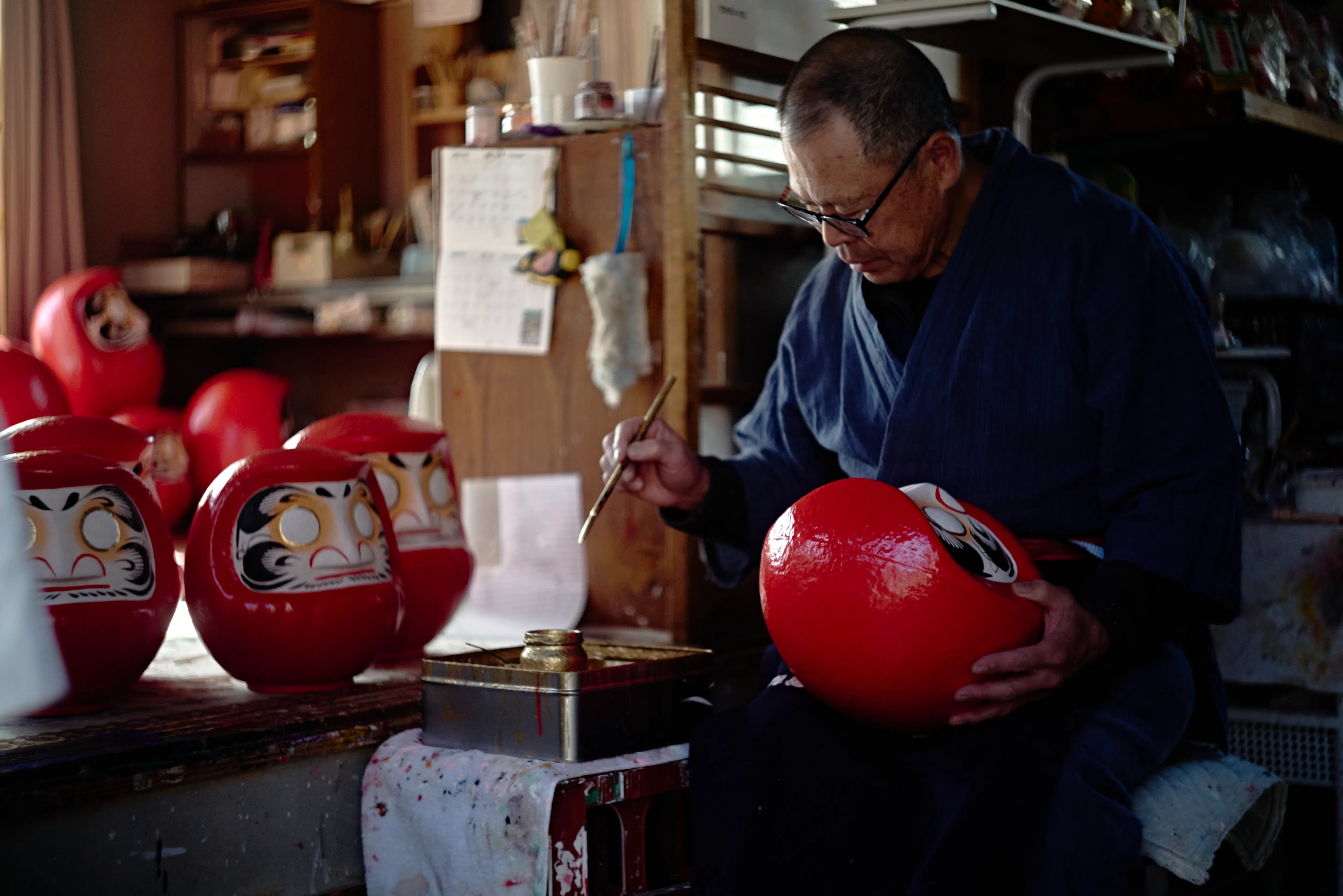

Japanese craft kits for adults range from paper folding and sashiko stitching to calligraphy, decorative repair, wood assembly, and Daruma painting. The right kit includes the materials you need, explains the technique or object, and leaves you with something you will want to use or display.
Start with the finished piece. A small textile project suits someone who enjoys repetition; paper craft is easier to set up and put away; painting works well when you want more freedom with color. Then check the skill level, time, extra tools, drying time, and cultural background before you buy.
Japanese Craft Kits for Adults at a Glance
| Type of kit | What you make | Good for | Check before buying |
|---|---|---|---|
| Paper craft | Folded forms, boxes, cards, or paper decoration | Small spaces and easy cleanup | Paper size, number of projects, and difficulty |
| Textile craft | Sashiko, embroidery, mending, or a small sewn item | Quiet, repetitive handwork | Whether needles, thread, fabric, and pattern are included |
| Calligraphy | Brush practice and written characters | Slow, deliberate mark-making | Brush, ink, paper, examples, and English guidance |
| Decorative repair | A repaired or embellished object | Patient, multi-stage work | Material safety, curing time, and whether the result is decorative or functional |
| Wood or assembly craft | A small structure, toy, or display object | People who enjoy precise construction | Required tools, sanding, glue, and workspace |
| Daruma painting | A hand-painted Daruma connected to a personal goal | Color, symbolism, and a display piece | Blank form, paints, brush, instructions, and eye ritual |
For a first project, choose a kit that can be completed in one or two sessions and does not require specialist tools. A short, clearly defined project gives you a better chance of enjoying the process and finishing the piece.
How to Choose a Japanese Craft Kit
A product photo shows the result, but it rarely tells you what the session will feel like. Read the contents and instructions with these questions in mind:
- What will I make? The finished object and its size should be clear.
- What is included? Look for a complete list of materials and tools.
- What must I provide? Scissors are easy to find; a special brush, sealant, or cutting tool may not be.
- How long will it take? Include drying or curing time, not just hands-on time.
- Is it suitable for a beginner? “For adults” describes the audience, not the skill level.
- What does the kit explain? Good instructions tell you about the object, material, or technique as well as the steps.
- What happens to the finished piece? Decide whether you want to display it, use it, give it away, or continue practicing the skill.
Paper and Textile Kits
Paper kits are easy to begin because they need little space and create very little mess. They can focus on folding, cutting, layering, or constructing a small object. Check how many sheets are included and whether a mistake will prevent you from finishing; spare material makes a beginner kit much more forgiving.
Textile kits offer a different rhythm. Sashiko, embroidery, and visible mending repeat a small movement while a pattern slowly appears. They take longer than most paper projects, but they are easy to pause. A useful kit marks the pattern clearly and includes enough thread to complete it.
Calligraphy and Painting Kits
Calligraphy gives you a defined action but leaves room to notice pressure, speed, and shape. A beginner set should include examples that show stroke order and brush movement. If the instructions assume that you already read Japanese, an attractive set can become difficult to use.
Painting kits offer more choice. A prepared object gives you boundaries that a blank canvas does not, while color and detail remain personal. Check whether the surface needs priming and whether the supplied paint is suited to the material.
Repair and Assembly Kits
Repair-style kits are appealing because the process changes an existing object. Read the safety and care instructions closely: some kits create a decorative finish, while others are designed for objects that will be handled or washed. The distinction matters more than the look of the package.
Wood and assembly kits suit people who like a sequence of precise steps. They may need more table space and extra tools, but the result is usually easy to understand before you begin. Check whether pieces arrive cut and finished or require sanding and adjustment.
Traditional Craft, Adapted Kit, or Japanese-Inspired Design?
These descriptions are not interchangeable. A traditional craft kit should name the material, technique, or regional practice it draws from. An adapted kit may simplify the process so it can be completed safely at home. A Japanese-inspired kit may use familiar colors or motifs without teaching a particular craft.
Any of the three can make an enjoyable project. The description should simply make clear what you are buying. If cultural learning matters to you, look for specific background information rather than a general promise of “Japanese style.”
Why Daruma Painting Works as an Adult Craft Kit
A Daruma painting kit combines a manageable surface with an object that has a purpose after the session. You choose the colors and facial details, then use the finished Daruma as a reminder of a wish or goal. The blank eyes are part of that ritual: one pupil marks the beginning, and the second is completed after the goal is reached.
The shape is already prepared, so you can focus on painting rather than building the figure. Our guide to painting a Daruma at home explains the sequence. For the history and symbolism, read the complete Daruma guide.
If you want the blank form, painting materials, and gift presentation together, see the Daruma Gift Experience.
Choosing a Japanese Craft Kit as a Gift
A craft kit is a gift of time as well as an object. Match it to the recipient's available space, patience, and interest in making things. Someone who enjoys careful repetition may love a textile kit; someone who wants a finished piece that evening may prefer paper folding or painting.
- Choose a beginner level unless you know the recipient's experience.
- Avoid kits that require several unlisted tools.
- Check for allergens, sharp tools, fumes, and age guidance where relevant.
- Make sure the finished style suits the recipient's home or intended use.
- For an international gift, confirm that the instructions are in a language the recipient can follow.
Common Questions
What is a good Japanese craft kit for a beginner?
Choose a self-contained paper, textile, calligraphy, or painting kit with clear instructions and a project that fits into one or two sessions. The listing should state what is included and what you will make.
Which Japanese craft kits are best for adults?
The best choice depends on the pace and result you want. Textile work suits repetition, calligraphy suits focused practice, paper craft suits small spaces, and Daruma painting suits someone who wants a meaningful display object.
What should a Japanese DIY craft kit include?
It should include the essential material, the main tools, step-by-step guidance, and enough information to understand the object or technique. Any extra supplies and drying time should be stated before purchase.
Are Japanese-inspired kits the same as traditional craft kits?
No. A traditional craft kit identifies a particular material, technique, or practice. A Japanese-inspired kit may use Japanese motifs or colors without teaching that craft. Read the description to see which experience it offers.
Make the First Project Easy to Finish
Choose the finished object first, then check materials, skill level, time, cleanup, and instructions. A kit that fits your table and your schedule will teach you more than an ambitious project that stays unopened.
If you are still deciding what kind of making suits you, compare these creative hobbies for adults at home.

