



For a first visit to Kyoto, start with the historic streets of Higashiyama and Gion, a walk beneath the red torii gates in the south, and the gardens and bamboo of Arashiyama. Add a food stop, a museum or a hands-on experience so the trip is not only a series of temple visits.
These 11 ideas cover the main sightseeing areas and the things you can do between them. Pick your favorites before arranging the days: crossing Kyoto repeatedly leaves less time for the places you came to see.
Choose what to do by area
| What interests you? | Where to focus | Suggested time | A useful starting point |
|---|---|---|---|
| Historic streets and hillside views | Higashiyama and Gion | Half a day | Walk downhill through the old streets after a temple visit |
| Red torii gates and a forest walk | Southern Kyoto | 1–3 hours | Decide whether you want the lower route or a longer climb |
| Bamboo, gardens and river scenery | Arashiyama | Half a day | Visit the wider district, not just the bamboo path |
| Pavilion architecture and rock gardens | Northwestern Kyoto | Half a day | Group nearby gardens together |
| Castle and imperial history | Central Kyoto | Half a day | Choose interiors or an outdoor palace visit |
| Food, shopping and a cultural class | Downtown and central Kyoto | 1–3 hours per activity | Put a reserved class before flexible browsing |
| Art, museums and canal walks | Okazaki, northeastern Kyoto or the station area | Half a day | Choose the area that fits your interests and weather |
These are planning allowances, including time to explore. They are not official visit limits or promises that several attractions will fit into one short stop.
1. Walk through Higashiyama and Gion
Higashiyama brings together hillside temples, tiled roofs, stone-paved lanes and shops selling pottery, sweets and small souvenirs. Start with the uphill visit, then work downhill through the old streets toward Gion. Allow three to five hours if you want to go inside a temple, browse and stop for food.
Gion is worth seeing for its wooden townhouses and evening atmosphere. For a performance by geiko or maiko, book a hosted event; seeing someone on the street is not a substitute. Do not follow or photograph people without permission, and respect private-lane signs.
There are slopes, steps and uneven surfaces along the wider route. A step-free entrance at one venue does not make the whole neighborhood step-free. Check the approach as well as the building if walking is difficult.
2. Follow the red torii gates into the hills
The torii-lined shrine walk in southern Kyoto can be a short visit or the main activity of your morning. Allow roughly 45–90 minutes for the lower grounds and gates, or two to three hours for a longer mountain route, with extra time for rests and photographs.
You do not have to reach the summit to enjoy it. Choose a turnaround point that leaves enough energy for the rest of the day, especially in hot weather. Early arrival can help with the busiest sections, but it does not guarantee an empty path.
Arrive by train and continue north toward eastern Kyoto afterward. The sake-brewing streets farther south in Fushimi are a separate outing; add them only if you shorten the walk or have most of the day free.
3. Spend a morning in Arashiyama
The bamboo path is only one part of Arashiyama. A garden, the river and bridge, and the surrounding streets make a more satisfying visit than traveling across Kyoto for a single photograph.
Give the central district three to five hours. Arrive by rail, walk between nearby sights and leave time to sit by the river or have lunch. If you want a scenic train or boat trip as well, check its departure point and schedule before adding it to the day.
Most of this outing is outdoors. A bamboo grove is not an indoor escape from rain or summer heat, and the gardens have their own opening hours. Stay on public paths and do not mark or damage the bamboo.
4. Compare Kyoto's gardens in the northwest
Northwestern Kyoto suits an interest in garden design: a pavilion reflected in a pond offers a different experience from a dry rock garden or a larger temple complex. Choose two or three nearby stops and give them a half-day, including local travel.
This area and Arashiyama are both west of the center, but they are not one compact walking district. Combining them can fill a day. Trying to fit both into a morning usually means cutting the visits short.
5. Explore castle and imperial history
Central Kyoto offers two different kinds of historical visit. The castle has palace interiors and gardens; the imperial palace's public route takes you around buildings without entering them.
For the castle, check which interiors your ticket includes. One requires an advance timed reservation, and reaching it involves a walk inside the grounds. Allow at least 1–1.5 hours for a main-palace-and-garden visit, and longer if you book an additional interior.
The imperial palace's ordinary public visit is free and does not require advance registration. It still has closure days, security checks and restrictions on large baggage. The gravel paths and outdoor setting matter more in rain than the word “palace” might suggest.
6. Try Kyoto food as you explore
A downtown food market is a good daytime stop for pickles, tofu, sweets, ingredients and kitchenware. Individual shops set their own hours, so do not leave it until late evening and expect a full choice. Eat at the shop's designated space or take food away, rather than walking through narrow passages while eating.
You can also build a meal around Kyoto-style side dishes, a tofu lunch or a formal multi-course dinner. Keep meals near the day's sightseeing instead of returning downtown for every stop. Reserve a particular small restaurant if eating there matters to you.
If you have allergies or dietary requirements, confirm ingredients and broth in advance. A vegetable dish is not necessarily made without fish or other animal ingredients.
7. Make tea, sweets or a meal
A tea session gives you time to watch the host's movements, learn how to handle the bowl and, in some programs, whisk your own matcha. A sweets or cooking class puts more of the activity in your hands: shaping a seasonal sweet, preparing ingredients or cooking before eating together.
Read the actual program before booking. “Tea experience” can mean a demonstration, a tasting or a lesson; a meal may or may not be included in a cooking activity. Check the teaching language, seating, age conditions and full session length. Meditation is another option if you prefer a quieter session, but ask about the posture and language support first.
8. Make a souvenir in a craft workshop
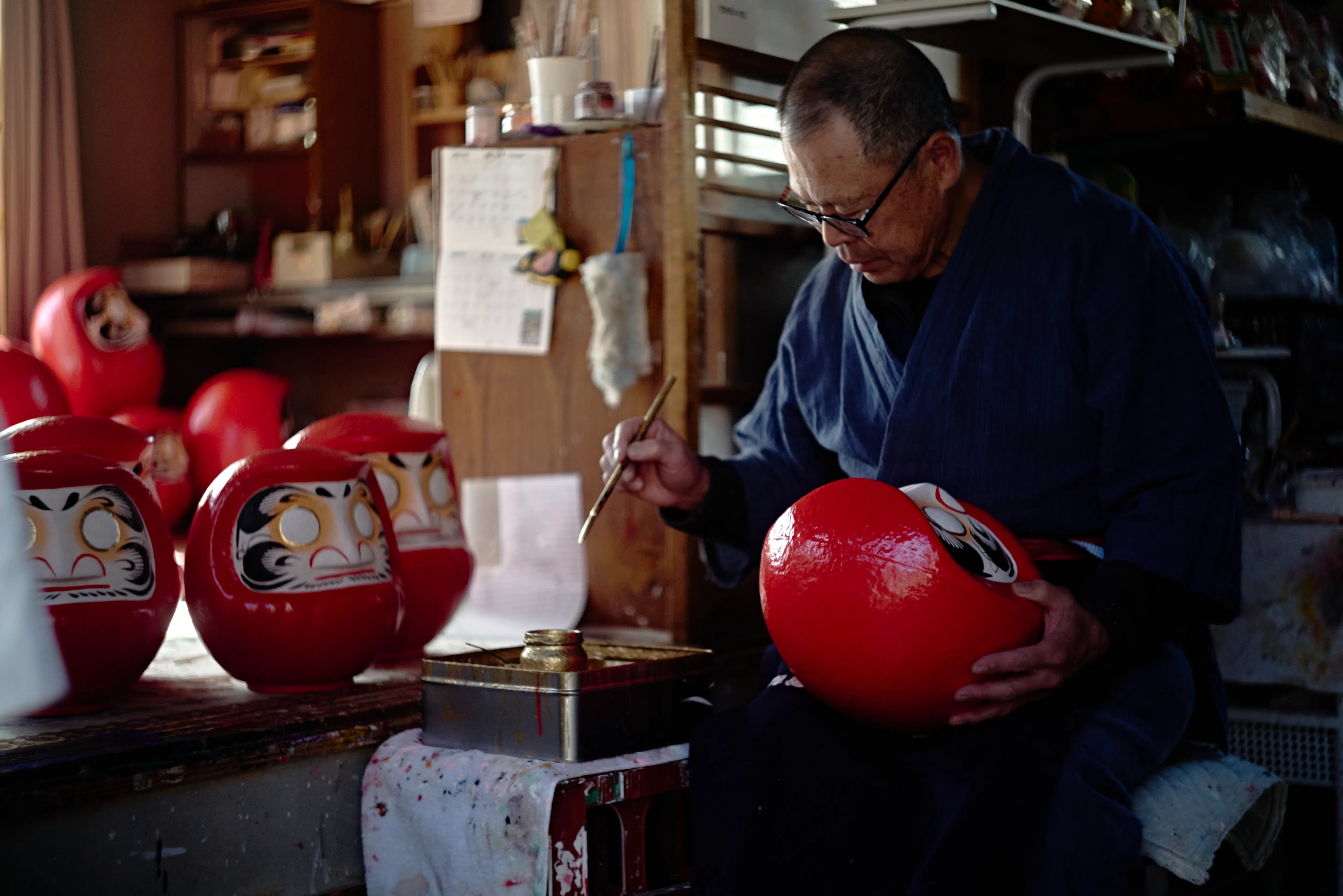
Painting, dyeing, weaving and other craft classes let you spend part of the day making something. Choose the object you want to work on, then check whether it leaves with you that day. Pottery may need firing and delivery; a painted or assembled item can have its own drying or collection instructions.
At Zen Craftworks, the Takasaki Daruma painting workshop takes 90 minutes, including check-in, painting, photographs and packing. You choose a base color, practice the brushwork and add your design before taking your Daruma home that day. The workshop is on the second floor of a machiya in Nakagyo; check the current booking page and any access or instruction needs before reserving.
A class works well as the fixed appointment in a central Kyoto half-day. Leave nearby shopping or a café visit flexible around it. For more non-temple ideas, including games, contemporary art and performances, see these unusual things to do in Kyoto.
9. Visit a museum or contemporary art space
Museums offer more than a wet-weather backup. You could read manga in a converted school, explore railway history, see an art exhibition in Okazaki or visit a digital-art installation near Kyoto Station.
Choose one that matches your interests instead of treating all indoor attractions as interchangeable. A reading museum rewards time spent with the books; an immersive installation may involve darkness, uneven floors and strong sound or light effects. A railway simulator can require a separate reservation rather than ordinary museum admission.
The station area also has aquarium and family-attraction options, useful before departure or when a long walk no longer appeals. Check the venue's opening day, ticket rules and luggage arrangements. The walk from the station may still be outdoors.
10. Walk beside a canal or river
Northeastern Kyoto is a good choice for combining gardens, a canal-side walk and the museums of Okazaki. Give the area three to four hours if you want to visit places along the way rather than simply complete the walk.
For a shorter pause downtown, sit or stroll beside the Kamo River. It can fit between shopping and dinner without another cross-city journey. Both options depend on the weather: shorten exposed walks in sustained rain or intense heat, and follow closures during severe weather.
11. Save something for the evening
Dinner in Gion or downtown, a riverside walk, or a booked performance gives the evening its own purpose. Choose one area and stay there rather than traveling across Kyoto for several short stops.
Traditional performances and contemporary theater have scheduled starts, so book before making dinner plans. Seasonal illuminations need a separate check of dates, last entry and return transport. A temple that opens during the day does not necessarily admit visitors after dark.
How to fit these ideas into one, two or three days
One day: Start with a shortened southern shrine walk, then spend the afternoon in Higashiyama and Gion. Finish with dinner nearby. If you want the full mountain walk, drop part of the afternoon rather than rushing both. Leave Arashiyama and the northwest for another visit.
Two days: Keep the first day above. Use the second morning for Arashiyama, then return to central Kyoto for food or one historical attraction if opening hours allow. If garden design matters more to you than bamboo and river scenery, choose the northwestern garden circuit instead.
Three days or more: Add a central Kyoto day with a castle or palace visit, food and a reserved cultural experience. Alternatively, spend the day in northeastern Kyoto or at museums. A fourth day can go deeper into craft, food, performing arts or an outer district instead of adding more headline sights.
For a route built around making and learning, the Kyoto craft and culture itinerary develops that part of the trip in more detail.
Book the fixed parts, then keep the rest flexible
Reserve classes, timed interiors, performances and important dinners first. Check total on-site time, language support, minimum group size and cancellation rules; do not place appointments in distant districts back-to-back.
Use trains and the subway for longer moves where practical, then walk or take a local bus for the final stretch. There is no need to return to Kyoto Station between every attraction. Store large luggage before sightseeing, and allow extra time for unfamiliar stations and busy approaches.
In summer, put longer outdoor visits early and keep an indoor option for midday. Blossom and autumn-leaf seasons call for more room around busy sights; in winter, check closing times before leaving outdoor visits until late afternoon. If rain changes the plan, use the Kyoto rainy-day activities guide to choose by location and how much walking remains outside.
You do not need every idea on this list. A few places you want to spend time in, with a meal and one activity you are looking forward to, make a workable Kyoto day.

