


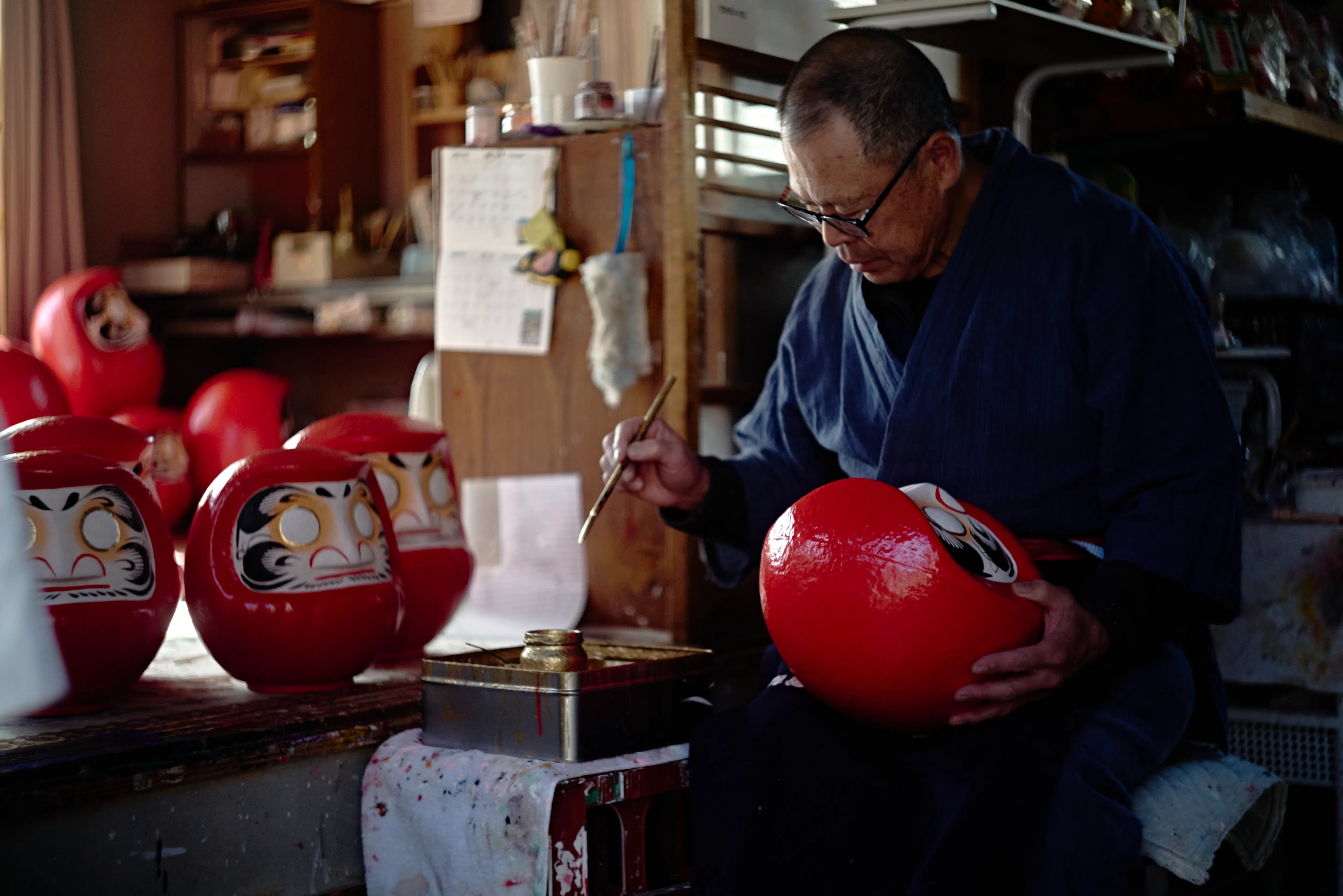

You can paint a Daruma in a traditional townhouse, play your way through a game-history museum, watch a story told without words or ride a boat through old canal tunnels. Kyoto has plenty to do when you want a break from temples and shrines.
The best choice depends on how you want to spend the day. Crafts give you something to make; manga and digital art suit an indoor afternoon; a canal trip takes more planning. Here are eight options, including what to book and which ones fit together.
Choose an activity that fits your day
| Activity | Area | Time to allow | Main booking consideration |
|---|---|---|---|
| Paint a Daruma | Central Kyoto, Nakagyo | About 90 minutes | Reserve a workshop session |
| Explore game history | Uji, south of Kyoto city | 3–5 hours, plus travel | Secure admission before planning the trip |
| Walk through digital art | Near Kyoto Station's south side | 2–3 hours | Check the ticket type and entry conditions |
| Read manga and see exhibitions | Karasuma Oike | 1–2 hours, or longer to read | Drawing and portrait activities have separate schedules |
| Watch non-verbal theater | Downtown Kyoto | About 90 minutes, plus arrival time | Book a seat and arrive before the performance |
| Explore sake culture | Fushimi | 2–3 hours | Check museum or tasting reservations |
| Visit a sento public bath | Various neighborhoods | 60–90 minutes | Check opening hours and bathing rules |
| Take a canal cruise | Keage, Yamashina and Otsu routes | Allow half a day with travel | Seasonal operation; choose the exact route and departure |
Museum, art, sake and bath times are suggested planning allowances, not fixed visit lengths. The workshop and performance durations refer to the examples below. Travel, meals and queues need additional time.
1. Paint a Daruma in a Kyoto machiya
Instead of buying a finished souvenir, spend part of your day choosing its colors and painting it yourself. At Zen Craftworks, the Daruma-painting workshop takes place on the second floor of a machiya, a traditional wooden townhouse in Nakagyo.
You choose from six base colors, practice with the brush, then paint details such as the eyebrows and mustache or add your own design. There is also time to write a wish and fill in one eye. Staff guide the process, so you do not need painting experience.
The session takes about 90 minutes, including photos and packing. You leave with your painted Daruma in a bag that day—useful if you are departing Kyoto soon. The Daruma used here is made in Takasaki, Gunma, and you decorate it during your Kyoto visit.
Check the Daruma workshop details and booking options before planning the rest of your afternoon. If you need English-language instruction, a one-person reservation or step-free access, confirm those arrangements first; the workshop page does not settle them.
2. Explore game history in Uji
A game-history museum in Uji offers a different view of Japanese design, from playing cards and earlier products to interactive exhibits. It is a good choice if you would rather play and explore than spend the afternoon moving between historic buildings.
This visit needs advance planning. Admission uses a ticket drawing, with remaining or canceled places sometimes sold afterward. Do not travel there expecting to buy an available ticket at the door. Read the identity-document requirements as well as the entry time on your booking.
Visitors receive ten digital coins for the interactive exhibits, and extra coins cannot be purchased. Choose the games you most want to try. The optional playing-card workshop has a separate fee and limited same-day reservations after entry; museum admission does not guarantee a workshop place.
Allow a generous half day for Uji, including travel. Combining the visit with tea nearby is more comfortable than rushing back across Kyoto for another fixed-time booking.
3. Step inside digital art near Kyoto Station
An immersive art museum near the station's Hachijo East Gate offers moving light, sound and spaces that respond to visitors. This is a more physical visit than looking at pictures on a gallery wall: some areas involve uneven surfaces or moving through the artwork.
Set aside two or three hours if you want an unhurried visit, though this is a planning suggestion, not an official time limit. Ticket options include timed entry and a more flexible date-based pass. Check which one you are buying; prices and availability vary.
There can still be a wait to enter. Inside, some spaces are dark, and artworks may use flashing lights or loud sound. Wheelchair admission does not mean every artwork is accessible. Read the venue's access and baggage guidance, especially if you are bringing a stroller or large luggage.
This option fits an arrival or departure day geographically, but leave enough room before a train. Being near the station does not remove the time needed to collect bags and reach your platform.
4. Spend an afternoon with manga
Around Karasuma Oike, a manga museum in a former elementary school combines exhibitions with roughly 50,000 books available to read. It is somewhere you can stay with a story, not just move from display to display.
Most books are in Japanese, with a selection in other languages. Even if you do not read Japanese, exhibitions about drawing and the history of comics offer another way into the subject. Check the program for portrait sessions or drawing activities rather than assuming they run throughout every opening day.
An hour or two works for a look around; a keen reader may want much longer. Pair it with lunch or a craft session in central Kyoto instead of treating it as a quick photo stop.
5. Watch a story told without words
Non-verbal theater uses movement, mime, dance, juggling and stage effects to tell a story without spoken dialogue. You do not need to follow a Japanese script to enjoy it.
A downtown production runs for about 90 minutes without an interval. Book your seat first and leave time to find the entrance: late admission is restricted, and you may not be able to take the seat you originally chose immediately.
The show uses loud sounds, flashing lights, stage fog and periods of darkness. Read the content advisory if those effects could be uncomfortable for you or a child. Check age conditions for the particular performance rather than assuming every show admits all ages.
6. Discover sake culture in Fushimi
Fushimi offers a mix of brewing history, old warehouse streets and waterside walks. In a sake museum, you can see traditional equipment and learn why the area's groundwater matters to brewing. A tasting lets you compare styles afterward if you drink alcohol.
A museum visit is not necessarily a tour of a working brewery. Check what is actually included, along with whether you need a timed reservation. For non-drinkers, the buildings, exhibits and canals can still make the trip worthwhile; choose a history-focused visit rather than paying for a tasting-led package you do not want.
Allow two or three hours for a museum, a short walk and a meal. Keep a sento visit for a different occasion if you have been drinking—do not combine alcohol and hot bathing.
7. Take a neighborhood sento bath
A sento is a public bath used as part of everyday life. It is not automatically a natural hot spring, and it can feel very different from a hotel spa: you share the washing area and baths with other visitors.
Check opening hours, towel rental, toiletries, payment methods and the facility's tattoo policy before going. Wash before entering the tub, keep your towel out of the bathwater and dry yourself before returning to the changing room. Put your phone away in the bathing and changing areas.
Give yourself an hour or so rather than fitting the bath between two tight reservations. If communal bathing is not for you, choose another activity; it is an option, not an essential test of enjoying Kyoto.
8. Travel through canal tunnels by boat
The canal linking the Lake Biwa side with eastern Kyoto offers a way to see waterways, tunnels and the engineering that helped connect the two places. Routes use different boarding points around Otsu, Yamashina and Keage, so check both the start and finish before booking.
This is a seasonal outing, not an all-year walk-up boat ride. Total scheduled time also includes more than time on the water. For example, one Otsu-to-Keage service lists 130 minutes overall, with 85 minutes aboard. Use the timetable for your chosen departure rather than applying one duration to every route.
Life jackets are required. Large suitcases are not accepted, umbrellas cannot be opened aboard, and tunnels can feel cooler than the air outside. Bring suitable rainwear and check the operating notice before traveling; bad weather may cancel a departure. If boarding steps or limited mobility are a concern, ask about the exact boat and route before paying.
Three ways to put the ideas together
For a creative day downtown: visit the manga museum, have lunch, then join a booked craft workshop. Add an evening show only if its start time leaves a comfortable gap. Two reservations are enough to plan around; keep the rest flexible.
For games or digital art: give Uji its own half day, or stay near Kyoto Station for the art visit and a meal. You do not need to do both simply because both offer a change from temples.
For a slower outdoor day: choose Fushimi's brewing streets or a seasonal canal cruise. Check the weather before committing to a long waterside walk, and avoid combining distant boat departures in one afternoon.
If you are looking for a quieter neighborhood rather than a particular activity, the guide to Kyoto's hidden gems looks at where to spend that time. Unusual activities can still be popular; choose them because they interest you, not because you expect to have them to yourself.

