



On a rainy day in Kyoto, you can explore art and manga, make a souvenir in a craft workshop, or learn to prepare matcha. If you need a plan right now, the shops and restaurants connected to Kyoto Station are an easy place to start.
Pick one activity you want to do, then keep the rest of the day nearby. A museum followed by lunch in the same area is often more comfortable than traveling across Kyoto between several supposedly “indoor” attractions. The activity may be indoors; the walk from the station usually is not.
Indoor activities to try in Kyoto
Explore art, history or manga
Museums give you time to look closely at things you might otherwise pass by: painted screens, ceramics, textiles, modern art or the history of Japanese comics. Look around Karasuma Oike and Sanjo for a central cultural stop, or Okazaki for a day focused on art.
Manga can be a good alternative if you are not in the mood for another gallery. A central manga museum combines exhibitions with shelves of books to read; drawing activities and portrait sessions follow their own schedules.
Check the current exhibition and last admission time before leaving. General admission, a special exhibition and an extra activity may require different tickets. Two nearby museums can also share the same closing day, so have a non-museum backup.
Spend a half day with trains or sea life
For a rainy day with children, the railway exhibits and aquarium in the Umekoji area are worth considering. Trains offer large objects to explore and interactive displays; an aquarium gives the day a slower rhythm of tanks and viewing areas. Choose the one your family would enjoy most rather than automatically buying tickets for both.
These are indoor-heavy visits, not completely enclosed journeys. There is still a walk from transit, and some attractions or programs are outdoors. Check the floor plan and any extra reservations—for example, railway driving simulators can require a separate advance ticket.
Keep lunch near the attraction or return to the station area afterward. With a stroller, a single longer visit can be easier than repeatedly boarding buses and packing away wet umbrellas.
Make something in a craft workshop
Kyoto has indoor workshops for dyeing fabric, painting, pottery, paper crafts and other hands-on activities. You can spend the wet part of the day choosing colors and working on an object instead of waiting for the weather to improve.
A stencil-dyed handkerchief is a compact option: one course takes 60–90 minutes and costs ¥1,600 including tax. It goes home that day, with instructions for setting the dye later. Pottery is another possibility, but a short session on the wheel still needs firing afterward; shipping and the delivery date matter if you are leaving Japan soon.
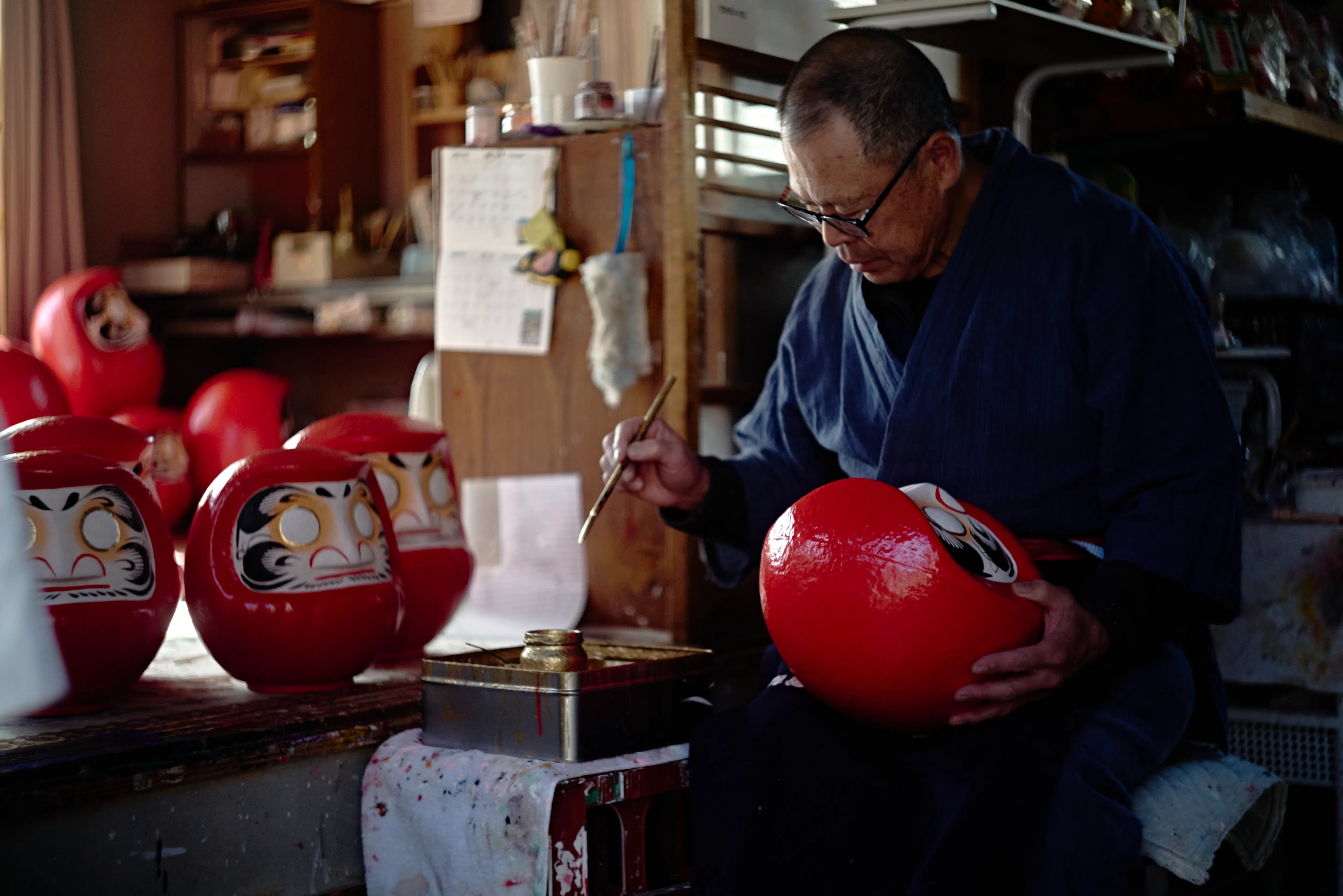
At Zen Craftworks, you paint a Daruma in an upstairs room in a Kyoto machiya. The session takes about 90 minutes, including packing, and you take your painted Daruma home that day. See the Daruma-painting workshop and available booking options before arranging the rest of your afternoon. Do not assume that a same-day place is available. If you need an elevator or step-free access, ask before booking; those details are not stated on the workshop page.
Traveling alone? The guide to Kyoto craft workshops for solo travelers explains one-person bookings, minimum charges and shared versus private sessions.
Try tea, sweets or a cooking class
A tea experience can include watching a demonstration, tasting a seasonal sweet and whisking your own matcha. One English-language introductory course lasts 45 minutes. Choose the actual activity you want: being served tea is different from preparing it yourself, and adding kimono dressing can lengthen the visit or involve another location.
For more time in the kitchen, look at Japanese sweet-making or cooking classes. You might shape a seasonal confection, roll sushi or prepare a meal. Check whether eating is included in the advertised duration, along with dietary requirements and the language of instruction. A market visit bundled with a cooking class may still involve time outside.
Browse covered shopping streets or stay inside Kyoto Station
Downtown's covered arcades are useful for browsing books, crafts, snacks and small shops between other plans. Around Shijo and Kawaramachi, you can combine shopping with a meal without committing to a timed activity.
An arcade roof is not the same as a fully enclosed building. Cross streets and entrances can be exposed, and wind can blow rain underneath. In a downpour, staying inside a station-connected shopping or dining building may be more comfortable than walking from arcade to arcade.
Kyoto Station is particularly useful on arrival or departure days. Choose its indoor and underground sections; rooftop areas and open parts of the station are not a wet-weather substitute for an enclosed room.
Watch a performance or a film
An indoor performance can turn a rainy afternoon or evening into a planned event. Kyoto offers traditional dance, theater and sword-performance experiences. Check whether the ticket is for watching a show, taking a lesson or both, as well as the start time and admission deadline.
A cinema is a simpler alternative when you want to sit down for a couple of hours. Check the film's spoken language and whether the screening is subtitled or dubbed; an English-language film title alone does not settle that.
Play games or take a bath
Game arcades, bowling and karaoke work well when you want something less structured than sightseeing. Check age and evening-entry rules if children are with you.
A public bath is another way to spend part of a wet day. Confirm the bathing rules, towel arrangements and any tattoo policy at the place you choose. If avoiding the weather is the priority, check that the bath you want to use is indoors rather than an outdoor pool.
Visit a historic interior when the rain is light
A temple hall, palace interior or traditional house can still be enjoyable in light rain. The important distinction is how much of the visit happens inside: gardens, courtyards and paths between buildings may remain exposed.
Confirm that the particular hall or room is open that day. Do not rely on a site's overall opening hours if its main interior has a separate schedule. Save long garden walks for conditions in which you are comfortable being outside; rain does not guarantee fewer visitors.
Three rainy-day plans by area
Kyoto Station and Umekoji: a flexible family plan
Start with an indoor stop or meal at Kyoto Station. If the weather and transport are manageable, continue to one railway or aquarium visit in the Umekoji area, then eat nearby or return to the station. Use the rail or bus approach that limits the final walk instead of assuming you must walk all the way from Kyoto Station.
If you have less than 90 minutes, stay near the station. A distant timed activity is a poor fit for a short gap before a train.
Downtown: a workshop and a slow afternoon
Book one craft or tea session around central Kyoto, then add lunch and either a museum or a covered shopping street nearby. Fix the reservation time first; leave the browsing flexible.
For example, a confirmed 1:00–2:30 p.m. Daruma workshop leaves the morning for a museum or an unhurried meal. Allow time to reach the venue before 1:00, and choose an afternoon stop after checking its closing time. This is a suggested sequence, not a promise of available tickets or an entirely covered route.
Okazaki or Higashiyama: art and a nearby meal
Choose one exhibition as the main visit, then find lunch or tea in the same area. Compare the museum's bus and subway approaches: the nearest station on a map does not always give the shortest walk to the entrance.
In light rain, add a short historic interior or garden stop if it is open. In heavier rain, spend longer in the museum or move directly to your meal. Avoid adding an outer-district attraction simply because it appears on an indoor-activities list.
Before you set out
- Check the whole route. Look at the walk from the station exit or bus stop, not just the time inside the attraction. Leave extra time for crossings, umbrellas and finding entrances.
- Check today's hours and your ticket. Confirm closures, last admission, fixed starts, late-entry rules and cancellation terms. A reservation request is not a confirmed place.
- Pack for the visit. A small towel and spare socks are useful if you will remove wet shoes. Ask about lockers, luggage storage and access arrangements when you need them.
- Keep the plan adjustable. In severe weather, follow local warnings and transport updates. An indoor booking does not make the journey there safe, and operators may change their schedules.
For a two-to-four-hour block, one substantial activity and a nearby meal are enough. For a full day, add a second stop in the same area, with a flexible break between them. The guide to things to do in Kyoto can help you fit these choices into the rest of your trip.

