


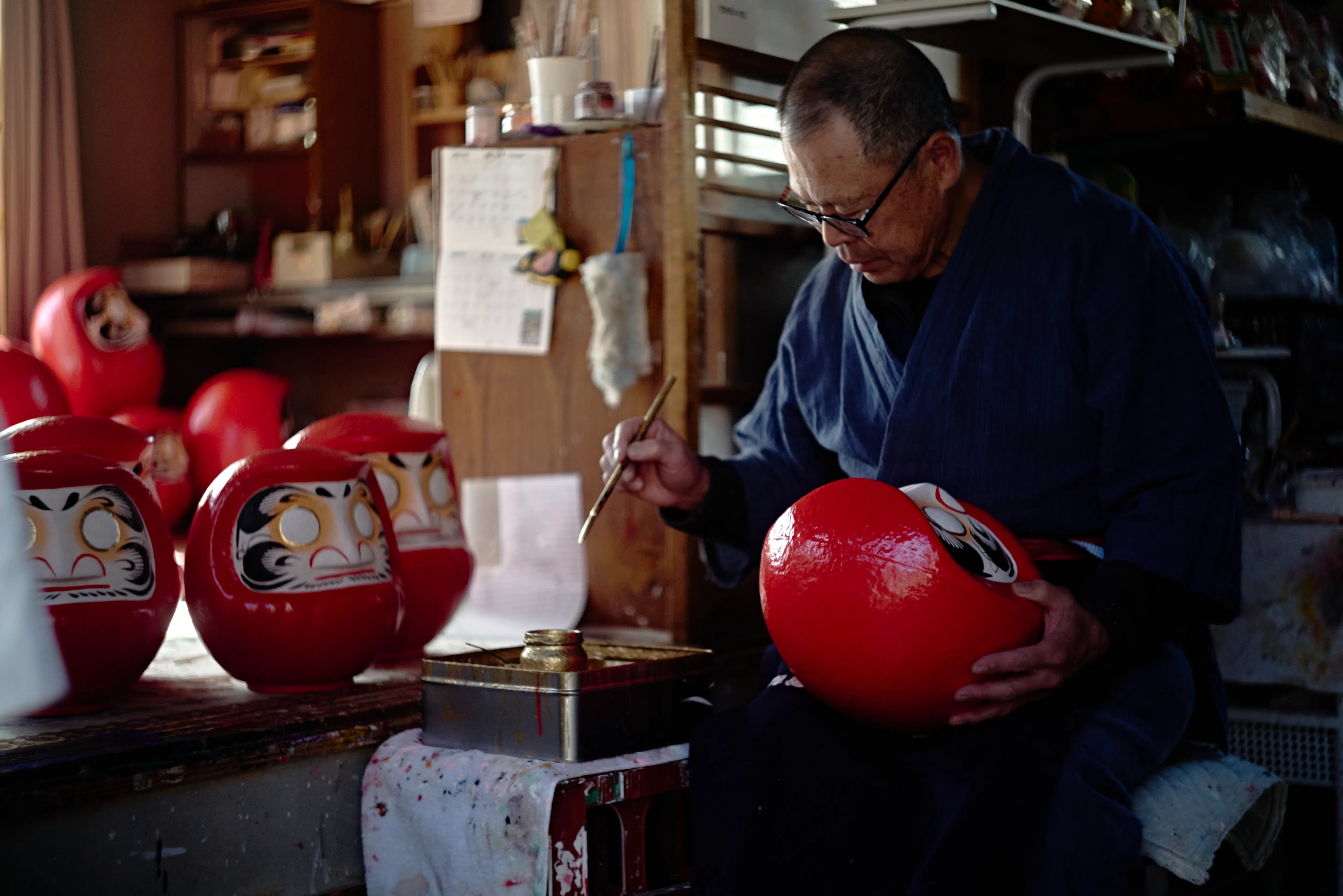

In design, a Zen aesthetic reduces distraction so that space, material, and use can be noticed more clearly. It favors simplicity, asymmetry, naturalness, quiet detail, and enough open space for the eye and mind to settle.
There is no single Buddhist rulebook for a “Zen look.” The phrase usually describes qualities that developed around Zen-influenced Japanese arts and are now applied to rooms, objects, gardens, photography, and graphic design.
The seven Zen design principles at a glance
A widely used design framework describes seven Japanese aesthetic concepts associated with Zen. The terms are best treated as ways of looking, rather than a checklist that makes an object or room “authentically Zen.”
| Principle | Plain-English meaning | What it can look like in design |
|---|---|---|
| Fukinsei | Asymmetry and irregular balance | An off-center arrangement that still feels stable |
| Kanso | Simplicity and reduction | Fewer elements, clear purpose, and little visual clutter |
| Koko | Austerity and mature restraint | Spare forms, weathered surfaces, and beauty without display |
| Shizen | Naturalness without pretense | Materials and forms that do not feel forced or overworked |
| Yugen | Subtle depth and suggestion | Shadow, partial views, and meaning that is not fully explained |
| Datsuzoku | Freedom from convention | A surprising break in pattern or release from routine |
| Seijaku | Stillness and active calm | A settled composition that allows attention to become quiet |
These seven terms appear often in modern writing about Zen design. They are a useful framework, but they should not be mistaken for a universal list of religious teachings.
What does a Zen aesthetic mean?
A Zen aesthetic values the relationship between what is present and what has been left out. One bowl on a table can have more visual weight than a shelf filled with decorative objects because the bowl has purpose, texture, scale, and space around it.
That does not mean every Zen-inspired room must be empty or pale. Dark wood, black ink, rough clay, green moss, white paper, and warm textiles can all belong. The important question is whether each element helps the space feel clear and usable, or merely adds another thing to look at.
If you want the religious and linguistic context before the design context, begin with what Zen means.
Visual principles can suggest qualities of attention, but they are not a substitute for Zen practice. If practice is what you are looking for, our guide to zazen posture and technique offers a practical starting point.
1. Fukinsei: asymmetry with balance
Fukinsei describes irregularity or asymmetry. A composition does not need two matching sides to feel balanced. In fact, a slight shift in height, position, or visual weight can make an arrangement feel more alive.
Try placing a vase a little off-center, grouping three objects of different heights, or leaving more open space on one side of a shelf. The result should feel intentional rather than careless. Asymmetry works when the whole composition remains steady.
2. Kanso: simplicity with a purpose
Kanso is often translated as simplicity. In practice, it means removing what does not serve the form, action, or message.
A writing desk needs room to write. A tea tray needs enough objects to prepare and serve tea comfortably. A meditation corner needs a stable place to sit. Kanso begins with the activity, then keeps what supports it.
This is more precise than making a room look bare. Simplicity has value when it makes use and attention easier.
3. Koko: beauty without display
Koko points toward austerity, maturity, and restraint. It can be seen in an object that has lost unnecessary decoration but gained depth through age, use, or disciplined form.
Weathered wood, a dark iron surface, or a quiet ceramic vessel may carry this quality. The appeal comes from substance and presence, not polish or ornament for its own sake.
Koko does not require neglect. A well-cared-for object can still show age, wear, and the marks of use.
4. Shizen: naturalness without forcing it
Shizen means naturalness, but in design it is more than placing a plant in the room. It asks whether a material, form, or arrangement feels honest to itself.
Wood can show its grain. Clay can retain small variations from the hand. Stone can keep an uneven edge. Linen can crease. The goal is not to manufacture imperfections, but to avoid disguising every trace of material and process.
Naturalness also affects arrangement. A branch leaning toward light may feel more convincing than one trimmed into perfect symmetry.
5. Yugen: depth through suggestion
Yugen refers to a subtle, profound quality that is felt without being fully stated. Design can create this through shadow, partial views, quiet transitions, or an image that leaves room for interpretation.
A screen that reveals only part of a room, a brush mark surrounded by blank paper, or a stone partly covered by moss can suggest more than a fully explained display. Restraint gives the viewer a role in completing the experience.
6. Datsuzoku: freedom from the expected
Datsuzoku suggests release from habit, convention, or routine. In design, it may appear as one element that breaks an otherwise predictable pattern.
The break does not have to be loud. A handmade cup among regular forms, an unexpected empty section, or a seasonal object can interrupt habit just enough to make the space visible again.
This principle keeps simplicity from becoming a formula. A room can be orderly without feeling rigid.
7. Seijaku: stillness that remains awake
Seijaku is stillness or tranquility. It is not a demand for silence, and it does not mean that a room must feel lifeless. It describes a settled quality in which nothing competes unnecessarily for attention.
Soft light, a clear walking path, low visual noise, and a deliberate focal point can help create this feeling. The calm comes from the relationship between the parts, not from buying objects labeled “Zen.”
How do wabi-sabi and ma fit in?
Wabi-sabi and ma are closely related to conversations about Japanese aesthetics, but they are not interchangeable with the seven-principle framework.
Wabi-sabi is commonly associated with impermanence, imperfection, modesty, and the beauty that can emerge through age and use. It overlaps with fukinsei, koko, and shizen, but it is not a synonym for every Zen aesthetic idea.
Ma refers to an interval, pause, or meaningful space between things. In a room, it can be the open wall around one artwork or the distance between furniture that allows movement and attention. It helps explain why empty space can feel active rather than unfinished.
An enso and a dry garden offer two different ways to see these relationships in practice. Our guides to the enso and other Zen symbols and the meaning of a Japanese dry garden explore them in their own contexts.
Zen aesthetic and minimalism are not the same
Zen-inspired design and minimalism overlap, especially in their use of reduction and open space. Their questions are slightly different.
| Approach | Main question | Common mistake |
|---|---|---|
| Minimalism | Can this be removed? | Treating emptiness as the goal |
| Zen-inspired design | What helps attention, use, and material become clearer? | Turning Zen into a surface style |
| Wabi-sabi | How can imperfection and change be perceived? | Calling any damage or disorder beautiful |
A sparse room can still feel cold or distracted. A room with several useful objects can still feel quiet when their placement, materials, and purpose work together.
How to apply Zen design principles to a room
Begin with one small area rather than redesigning an entire home.
- Name the main activity. Decide whether the space is for sitting, tea, reading, writing, or display.
- Clear what does not support it. Move unrelated objects elsewhere before adding anything new.
- Choose one anchor. Use a cushion, low table, bowl, plant, textile, or artwork to give the eye a place to rest.
- Let materials remain visible. Favor texture, grain, and honest surfaces over imitation finishes.
- Leave working space. Keep enough open area to move, use the object, and see its shape.
- Adjust the balance. Try an off-center placement instead of matching both sides.
- Review the light. Soft or indirect light often reveals texture and shadow without adding clutter.
For a whole-room approach, continue with our Zen home decor guide. If you have only a small area, the Zen corner and meditation room ideas are more practical.
Questions about Zen aesthetics
Is a Zen aesthetic always Japanese?
The phrase is rooted in ideas associated with Zen and Japanese arts, but it is now used loosely around the world. Calling a room “Zen” does not make it historically Japanese. It is more accurate to name the specific qualities you are using, such as asymmetry, natural materials, open space, or restraint.
Does Zen design require neutral colors?
No. A quiet palette can reduce distraction, but color is not the defining rule. Dark ink, red lacquer, green moss, warm wood, and patterned textiles can work when they have a clear role and do not compete with everything around them.
Is wabi-sabi one of the seven Zen design principles?
Not in the widely repeated seven-term framework. Wabi-sabi overlaps with several of the principles, especially asymmetry, austerity, and naturalness, but it has its own history and meaning.
Do I need special Zen decor?
No. Start with arrangement, use, light, and space. A familiar bowl, chair, textile, or plant can support a Zen-inspired composition when it is useful, well placed, and given room to be seen.
A Zen aesthetic becomes convincing through attention, not decoration alone. Keep what serves the space, allow materials to show their character, and leave enough room for one thing to matter at a time.

