


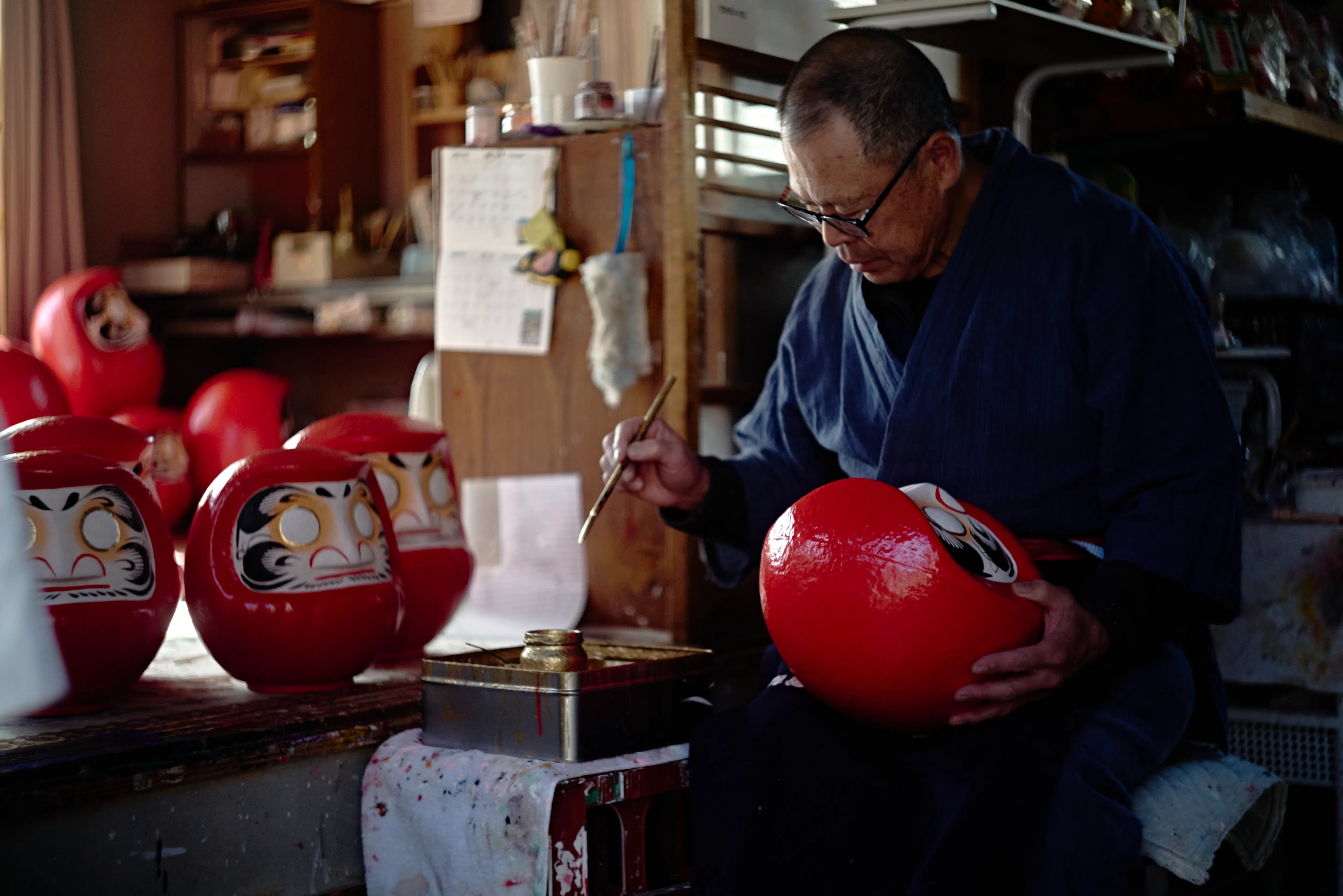

Japanese craft gifts are easiest to choose when you begin with the recipient's daily life. A small ceramic cup suits someone who enjoys tea, a furoshiki works for a practical traveler, washi stationery fits a writer, and a Daruma can encourage someone beginning a new goal.
Look for a clear material, a useful or displayable form, and a size that fits the recipient's home. If the making process would be more enjoyable than receiving a finished object, choose a craft kit instead.
12 Japanese Craft Gift Ideas
| Gift | Good for | What to check |
|---|---|---|
| Ceramic cup or small bowl | Tea drinkers, cooks, hosts | Capacity, care, and whether pieces vary by hand |
| Tea accessory | Someone with an established tea routine | What they already own and how the piece is used |
| Chopsticks or chopstick rests | A practical table gift | Length, finish, care, and set size |
| Furoshiki wrapping cloth | Travelers and people who enjoy reusable wrapping | Dimensions, fabric, and washing instructions |
| Tenugui cloth | A light, easy-to-mail gift | Pattern, intended use, and unfinished edges where applicable |
| Washi stationery | Writers, planners, and creative friends | Paper size, texture, and the tools it suits |
| Folding fan | A compact seasonal or display gift | Size, material, and whether it is made for use or display |
| Small wood or bamboo object | Kitchen, desk, or entryway | Purpose, finish, and care |
| Lacquered smallware | A polished home or table gift | Care instructions and suitability for food |
| Metal kitchen or desk tool | Someone who values durable everyday objects | Use, storage, maintenance, and weight |
| Folk craft figure | A shelf, desk, or milestone gift | Meaning, dimensions, and a suitable place to display it |
| Japanese craft kit | Someone who enjoys hands-on projects | Included materials, instructions, skill level, and time |
Choose by Material and Use
“Handmade” or “artisan” tells you little on its own. The material and the way the object will be used make a gift easier to understand and appreciate.
Ceramics and tableware feel personal because the recipient handles them often. Cups, bowls, plates, and chopstick rests are usually easier to place than large serving pieces. Check measurements rather than judging scale from a photograph.
Textiles are light and versatile. A furoshiki can wrap a lunch box, bottle, or another gift; a tenugui can be used or displayed. Pattern matters, but so do fabric, dimensions, and washing instructions.
Paper and stationery suit people who write, plan, wrap, or make things. Washi has a tactile quality that photographs do not always show, so read the weight, surface, and intended use.
Wood, bamboo, lacquer, and metal objects can make excellent practical gifts when their purpose is obvious. Care requirements vary, especially for objects used with food, heat, or water. The product description should state them clearly.
Handmade and Artisan Gifts: What to Look For
A useful description should tell you who made the piece or how it was produced, what material it uses, where it was made, and whether small variations are expected. Those details help you understand the craft without turning the gift into a lecture.
- Look for actual dimensions and materials.
- Read the care instructions before giving tableware or textiles.
- Check whether the photograph shows the exact item or a representative example.
- For hand-finished work, expect small differences in color, line, or shape.
- Choose a piece whose purpose you can explain in one sentence.
A single well-chosen object often feels more thoughtful than a box of loosely related Japanese-themed items.
Traditional Craft or Japanese-Inspired Design?
A traditional craft gift should identify the material, technique, or place associated with its making. A modern object may adapt that technique for contemporary use. A Japanese-inspired gift may simply borrow a motif, color, or shape.
Each can be appropriate, but the description should make the distinction clear. If the tradition matters to you, look for specific production details. If the recipient mainly needs a practical object, function and care may matter more.
Finished Object or Craft Kit?
| Choose a finished object when... | Choose a craft kit when... |
|---|---|
| The gift should be ready to use or display | The recipient enjoys making things |
| The occasion is formal | You want to give an activity as well as an object |
| You know the recipient's taste and home | Personal choices are part of the appeal |
| There is little time for a project | They have the space and time to complete it |
For more help comparing materials, instructions, and difficulty, use our guide to Japanese craft kits for adults.
Daruma as a Japanese Craft Gift
A Daruma is a good choice for a graduation, new job, business milestone, recovery, or any occasion connected with perseverance. Traditionally, one pupil is filled in when a goal is set and the second when it is achieved. Include that short explanation so the blank eyes do not puzzle the recipient.
A finished Takasaki Daruma is ready to give and display; you can browse our Takasaki Daruma collection. A paintable Daruma suits someone who would enjoy making the object personal. The Daruma painting kit includes the creative activity as part of the gift.
If luck is the main theme, compare other Japanese good luck gifts before deciding.
Japanese Craft Gifts by Recipient
| Recipient | Good starting points |
|---|---|
| Host | Small tableware, furoshiki, or a useful textile |
| Coworker | Stationery, a compact desk object, or paper goods |
| Cook | Chopsticks, rests, a small bowl, or a durable kitchen tool |
| Writer or artist | Washi, notebook, brush set, or craft kit |
| Traveler | Furoshiki, tenugui, or another light textile |
| Someone starting a goal | Daruma or another small object with a clear meaning |
Before You Buy
Check the dimensions, shipping protection, care, returns, and gift packaging. Fragile ceramics and large decorative pieces need more planning than textiles or stationery. If the recipient moves often or has limited shelf space, choose something compact and useful.
A symbolic object also needs a short explanation. Write the meaning on a card in plain language; one or two sentences are enough.
Common Questions
What are good Japanese craft gifts?
Ceramics, tableware, textiles, furoshiki, tenugui, washi stationery, fans, wood or bamboo objects, folk figures, and craft kits are all good choices. Match the material and size to the recipient's habits and space.
How can I tell whether a Japanese gift is handmade?
Look for a specific material, production method, maker or workshop information, place of production, and a note about natural variation. A broad “artisan” label without those details is difficult to assess.
What traditional Japanese gift is easy to give?
A small piece of tableware, a textile, paper goods, or a compact folk craft is usually easy to wrap, explain, and place. Check care and dimensions before choosing.
Are Japanese craft kits good gifts?
Yes, when the recipient enjoys hands-on projects and has time to complete one. Choose a kit with the essential materials, clear instructions, and a finished object they will want to keep.
A Gift They Can Use, Display, or Make
Choose the person first, then the material and purpose. A Japanese craft gift feels considered when it fits naturally into the recipient's home or routine and comes with just enough context to understand how it was made.

