



Choose something you would like to try
Kyoto’s cultural experiences range from receiving tea in a tea room to making sweets, painting a keepsake or trying a traditional instrument. You can choose a short introduction to an unfamiliar art without committing your whole trip to formal lessons.
The main choice is how you want to take part. Would you rather make something with your hands, learn a skill, wear kimono, or watch experienced performers? These seven options give you different ways in.
| Experience | What you can do | Choose it if you would like to… | Check the format |
|---|---|---|---|
| Tea ceremony | Join as a guest; some sessions also include preparing tea | Understand the gestures and etiquette around matcha | Guest participation, demonstration or tea-making |
| Cooking or Japanese sweets | Prepare a meal or shape wagashi | Learn through food, then taste what you make | Menu, hands-on steps and dietary requirements |
| Craft-making | Shape, dye, weave or decorate an object | Make a keepsake or try working with a material | Your part in the process and take-home timing |
| Calligraphy | Practice brush strokes and write a character | Try a new tool and focus on a small piece of work | Beginner level and teaching language |
| Ikebana | Arrange flowers and other plant materials | Explore shape, space and composition | A hands-on lesson rather than an exhibition |
| Kimono | Be dressed by staff or learn dressing techniques | Wear kimono or understand how it is put on | Rental with dressing versus a kitsuke lesson |
| Traditional music or performance | Watch a show or take an introductory lesson | Hear, see or try a performing art | An audience ticket versus active participation |
1. Tea ceremony: join as a guest
A tea experience can introduce you to how a host prepares and serves matcha, and how a guest receives it. You may learn greetings and simple movements while following the host’s guidance. Some sessions also let you prepare tea yourself.
If whisking matcha is the part you want to try, look for that in the description. It is not included in every tea ceremony experience. Likewise, kimono dressing can be an optional addition; you do not have to book it simply because it appears alongside tea.
Check the seating arrangement if sitting on the floor would be difficult, and confirm the language used for explanations.
2. Cooking or wagashi: make something to eat
Cooking classes let you get beyond ordering a dish and learn how it is made. Depending on the menu, you might work with Japanese stock and seasonings, prepare several dishes, and sit down to eat the result.
Wagashi workshops offer a different kind of handwork. These Japanese sweets can be shaped and decorated using your fingers and small tools. Look at the examples to see whether the class focuses on shaping sweets, watching a demonstration, or both.
Choose by the food you want to make and the steps you will do yourself. Tell the provider about allergies or dietary requirements before booking and ask what the specific class can accommodate. Do not assume that the ingredients or shared preparation space will suit you.
3. Craft-making: create a keepsake
A craft workshop gives you time with a material or technique: clay, fabric, paper, a loom or a paintbrush. Some sessions start with raw materials; others provide an object for you to decorate. Both can be hands-on, but they offer different kinds of practice.
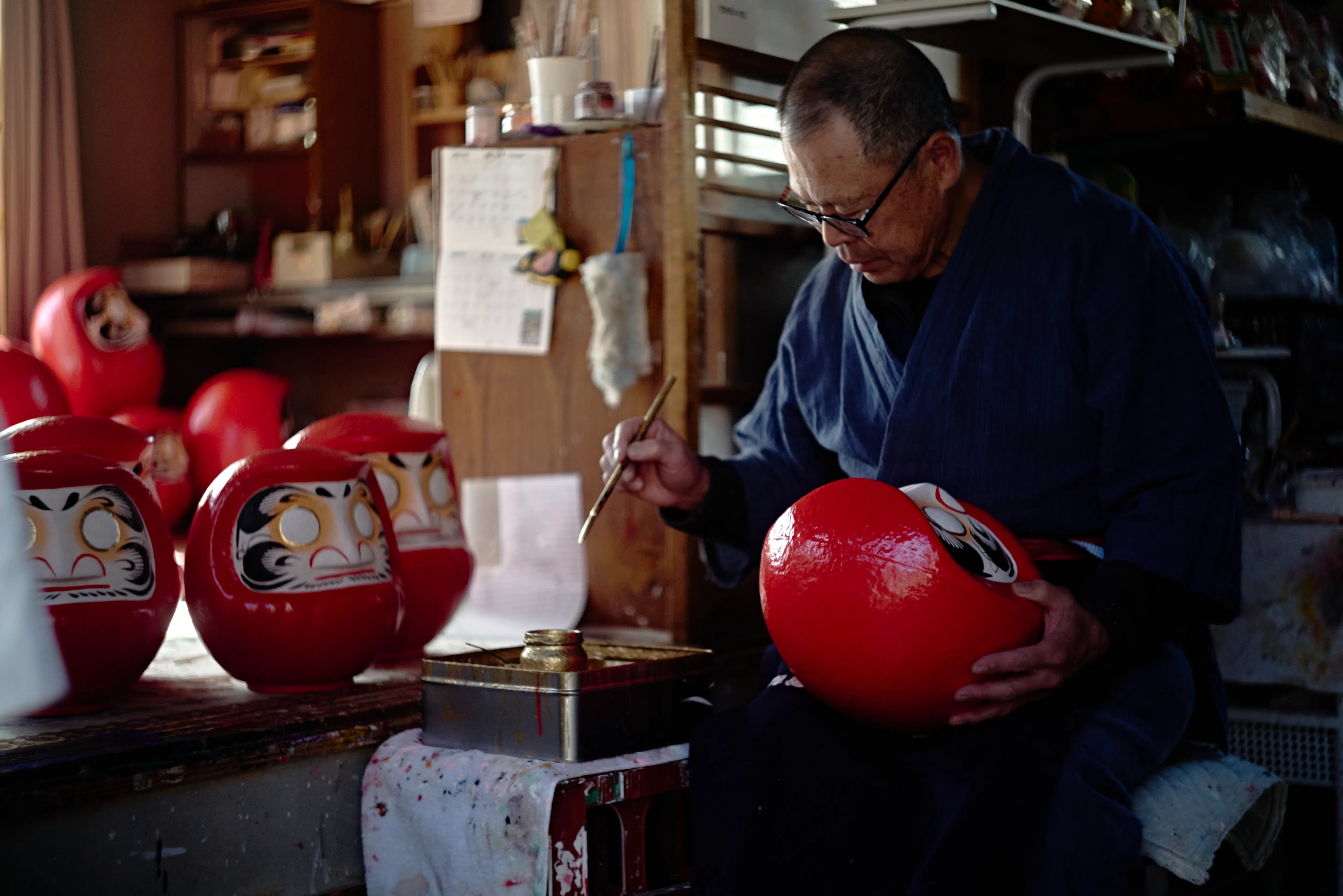
For a painting option, Zen Craftworks’ Daruma workshop lets you decorate a Takasaki Daruma in Kyoto. You choose from six Daruma base colors, practice on a sheet and paint with staff guidance. The visit takes about 90 minutes, including check-in, photos and packing, and you take your Daruma home that day in a drawstring bag. Book a session before arranging the rest of your day around it.
The Daruma comes from the Takasaki tradition in Gunma; your painting session takes place in Kyoto.
With other crafts, check whether your work needs later drying, firing or delivery before choosing it as a souvenir for this trip.
4. Calligraphy: learn to handle a brush
Beginner shodo, or Japanese calligraphy, lessons can start with the basics: holding a brush, using ink and practicing a few strokes before writing a character. You do not need to choose an advanced course to enjoy the feel of the brush or see how small changes in pressure affect a line.
Look for a class intended for complete beginners. Ask what you will write, what guidance is available in your language and how the finished work is packed if you take it away.
5. Ikebana: arrange flowers yourself
An ikebana lesson lets you work with plant materials and see how their position changes the arrangement. It is a good option if you enjoy looking closely at shapes and deciding where each element belongs.
Kyoto has different schools of ikebana, so a visitor lesson introduces the approach taught by that instructor. An exhibition, by contrast, lets you look at finished arrangements; it is not automatically a chance to make your own.
Confirm that you are booking a hands-on trial lesson. Ask what happens to the flowers afterward and whether any materials are yours to keep. If you plan to fly home with fresh flowers, check your destination’s rules first.
6. Kimono: wear it or learn to dress yourself
If you want to wear kimono for part of your Kyoto visit, a rental with professional dressing may be what you need. Staff help you put it on, and you return the clothing according to the rental terms.
A kitsuke lesson has a different purpose: learning how to dress yourself or someone else. Choose this if the technique interests you more than a dressed-up walk or photographs.
For either option, check what the booking includes. Accessories, hair styling, photography and return arrangements may be separate services. A listing that says “kimono experience” does not tell you all of that by itself.
7. Traditional music and performance: watch or join a lesson
A stage performance is a way to see trained artists at work, whether in music, dance or theater. You attend as part of the audience. Check the program and any explanations available in your language.
For something more participatory, look for an introductory instrument lesson. Beginner shamisen sessions, for example, can let you hold the instrument, try the playing technique and make the sounds yourself under guidance.
These are different bookings: a show ticket is not a lesson. Choose the art you are curious about, then decide whether you want to watch it performed or try its first steps.
Before you reserve
Once one activity stands out, check four practical details:
- Language: confirm how the activity is taught or explained. An English booking page does not guarantee English instruction.
- Location and time: check the actual address and the full visit length. “Kyoto” can mean the city or somewhere farther into the prefecture.
- What is included: compare the total cost, materials, equipment, food, optional services and cancellation terms.
- What happens afterward: allow for craft collection or shipping, kimono returns, and any care instructions for what you make.
You do not need to sample every art in one visit. Pick the experience you are most curious about and leave enough time to take part without rushing to the next stop.
For help planning the rest of the day, see our Kyoto craft and culture itinerary.

